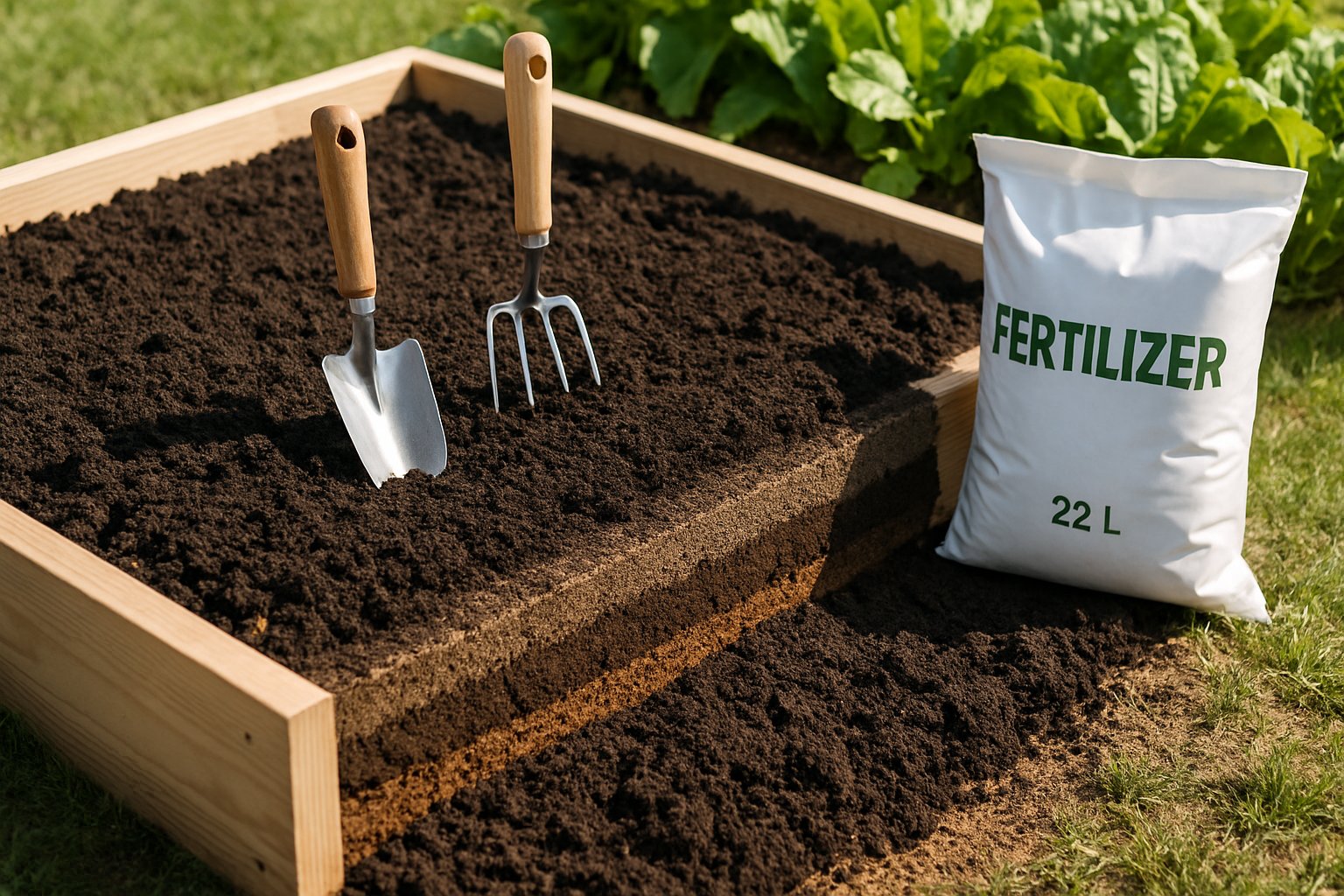
Building a raised bed garden starts with getting the foundation right. The soil depth, mix, and fertilizer choices directly affect how well plants grow, how much water they need, and whether roots can develop properly. Many gardeners fill their beds without understanding these basics and end up with disappointing results.
A raised bed needs 10-12 inches of depth for most vegetables, while root crops require 14-18 inches, and the best soil mix combines 50% compost, 25% aeration material like pumice or perlite, and 25% base material such as topsoil or coco coir. This combination provides the drainage, nutrients, and structure plants need without expensive mistakes or constant adjustments. Getting these fundamentals right the first time saves money and prevents the need to rebuild or refill beds each season.
The right fertilizer plan keeps plants productive without overfeeding or burning roots. Starting with quality ingredients and adding nutrients at the right times creates a system that works season after season with minimal effort.
Key Takeaways
- Match soil depth to crop type, with 10-12 inches for most vegetables and 14-18 inches for root crops
- Use a balanced soil mix of 50% compost, 25% aeration material, and 25% base material for healthy plant growth
- Add organic fertilizer at planting time and refresh with 1-2 inches of compost between growing seasons
Determining Optimal Raised Bed Soil Depth
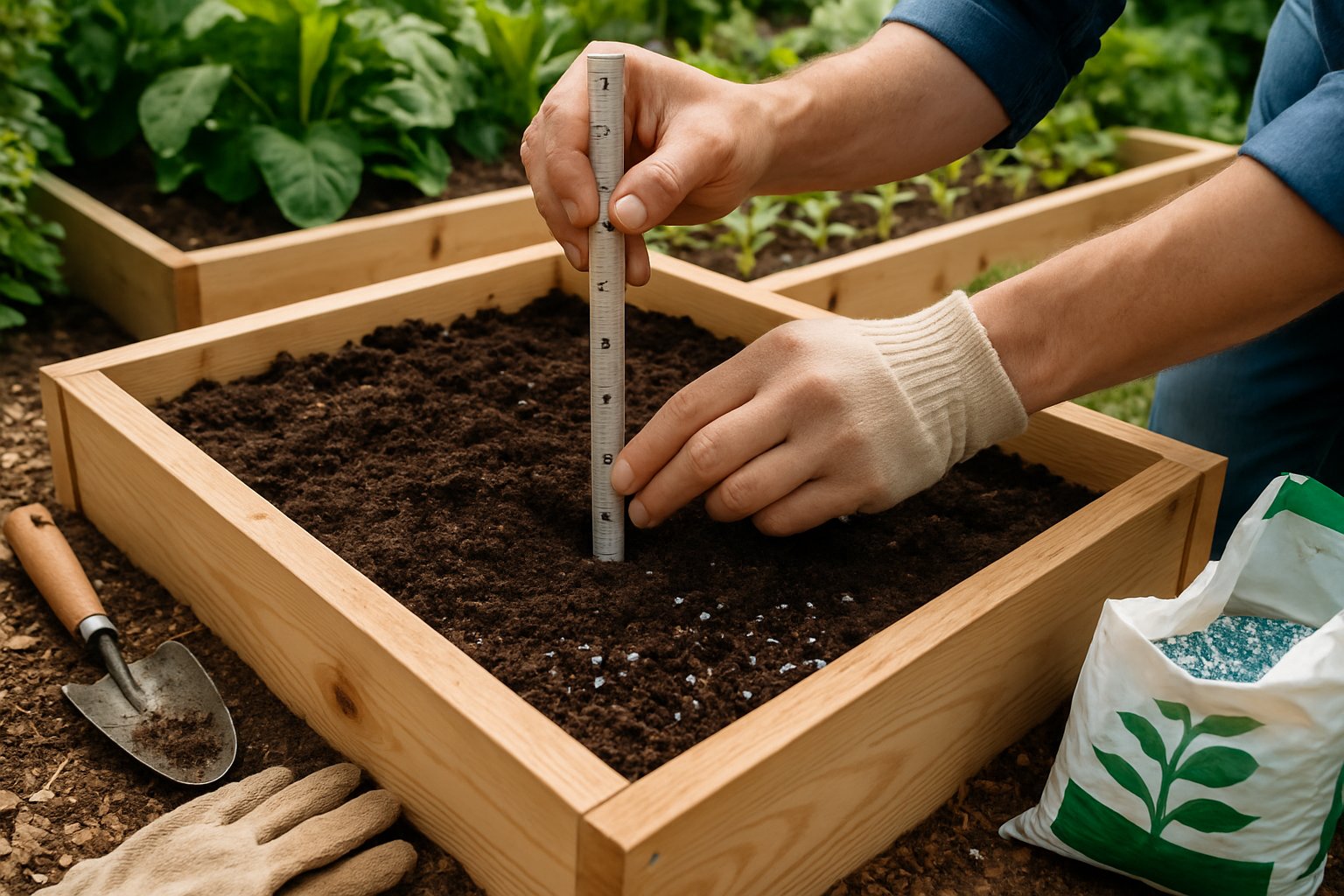
The depth of soil in raised garden beds directly affects root growth, moisture retention, and plant health. Most vegetables need 10-12 inches of soil, but root crops and large plants require 14-24 inches depending on their specific needs.
Recommended Soil Depths for Common Plants
Different plants have different depth requirements based on their root systems. Shallow-rooted plants like lettuce, spinach, arugula, and most herbs grow well in 8-10 inches of soil. These quick-growing crops develop compact root systems that stay near the surface.
Medium-depth vegetables need 10-12 inches of raised bed soil. This category includes bush beans, peas, cucumbers (when trellised), peppers, and eggplant. These plants develop moderate root systems that benefit from extra depth but don't require extensive soil volume.
Deep-rooted crops demand 14-18 inches or more of soil depth. Tomatoes, carrots, beets, turnips, onions, and garlic fall into this group. Potatoes and parsnips need the deepest beds at 18-24 inches to accommodate their extensive root growth.
| Plant Type | Minimum Soil Depth |
|---|---|
| Lettuce, herbs, radishes | 8-10 inches |
| Bush beans, peppers, peas | 10-12 inches |
| Tomatoes, carrots, beets | 14-18 inches |
| Potatoes, parsnips | 18-24 inches |
Root Depth and Plant Needs
Root depth determines how much water and nutrients a plant can access. Shallow roots dry out quickly and need frequent watering, while deeper roots can tap into moisture reserves further down in the raised bed soil.
Plants with restricted root depth show stunted growth and reduced yields. Carrots grown in shallow garden beds become deformed or stop growing when they hit the bottom. Tomatoes in beds less than 14 inches deep produce smaller fruits and struggle during hot weather because their roots cannot spread adequately.
The soil preparation below the raised bed also matters. Removing grass and laying cardboard allows roots to penetrate into native soil beneath, effectively adding depth. This works best when the ground underneath has decent drainage and isn't heavily compacted.
Soil Volume Calculation Methods
Calculate soil volume by multiplying length × width × height in feet to get cubic feet. A standard 4×8 foot bed that is 1 foot deep needs 32 cubic feet of soil. Most bagged soil comes in 1.5 or 2.0 cubic foot bags.
For a 4×8×1 foot raised bed, gardeners need approximately 16 bags at 2.0 cubic feet or 22 bags at 1.5 cubic feet. Buying bulk soil costs less for larger projects. One cubic yard equals 27 cubic feet, so that same bed needs slightly more than one cubic yard of material.
Taller beds cost more to fill but provide better growing conditions. A 4×8 bed at 18 inches deep requires 48 cubic feet of soil—50% more material than a 12-inch bed. Mixing bulk topsoil with compost and aeration materials like pumice reduces costs while maintaining quality.
Key Components of a Raised Bed Soil Mix
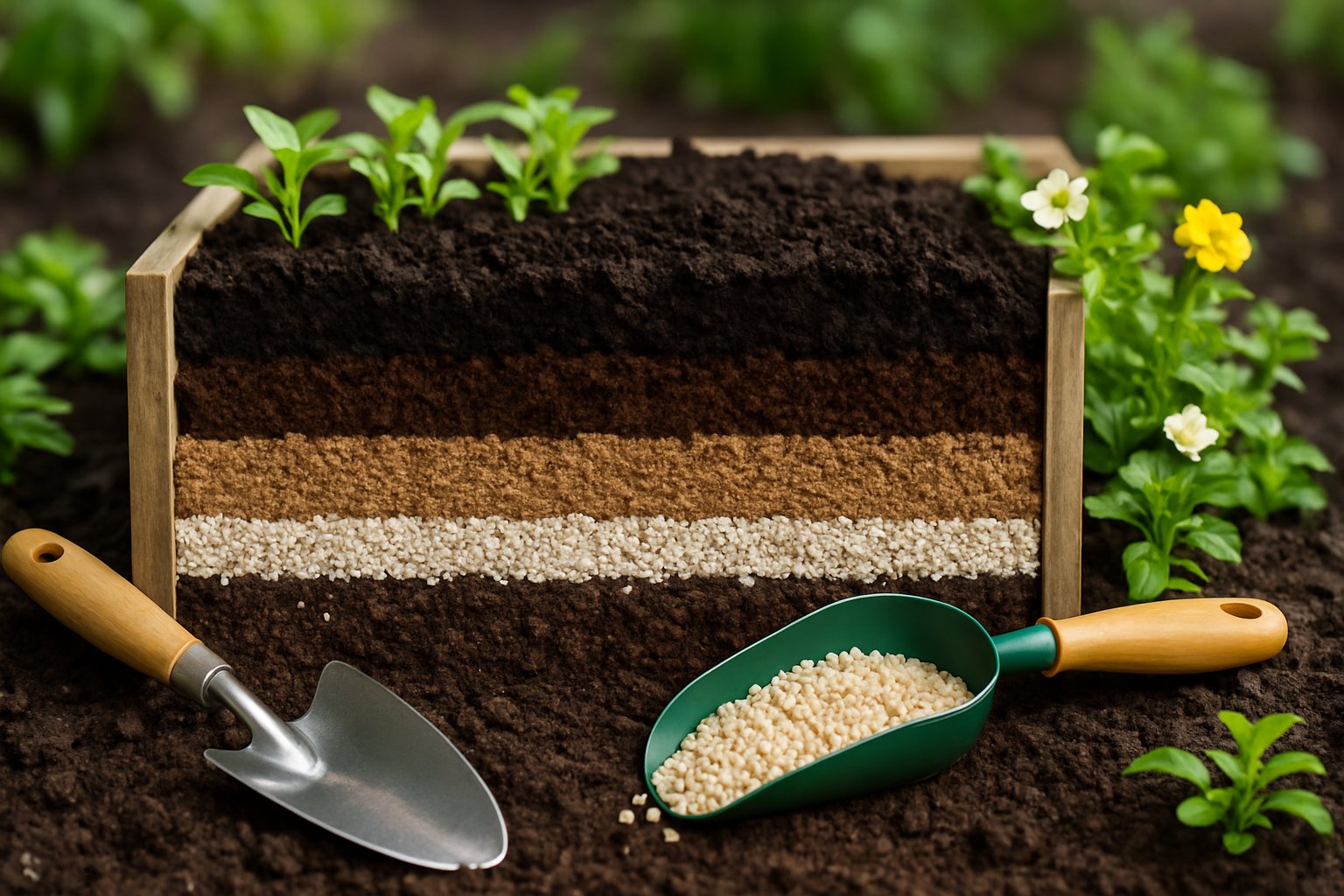
A successful raised bed soil mix combines three essential elements: a foundation of topsoil and compost, materials that improve air circulation, and ingredients that help retain moisture. Each component plays a specific role in creating an environment where plant roots can access nutrients, oxygen, and water.
Role of Topsoil and Compost
Topsoil forms the foundation of any raised bed soil mix. It provides structure, minerals, and a home for beneficial microorganisms. Quality topsoil should hold together when squeezed but crumble easily when touched. Dark brown topsoil typically contains more organic matter than light-colored versions.
Compost supplies nutrients and improves soil structure. It adds beneficial microbes that help break down organic materials and make nutrients available to plants. Good compost should smell earthy and look dark and crumbly.
The most common ratio is a 50/50 mix of topsoil and compost. This blend works well for most vegetables, herbs, and flowers. Some gardeners prefer a 60/40 ratio (60% topsoil, 40% compost) for plants that need more structure or a 40/60 ratio for heavy feeders like tomatoes.
Bagged soil and bagged compost offer convenience but cost more than bulk materials. Garden soil labeled for raised beds often contains a pre-mixed blend of these components.
Blending Aeration Materials
Aeration materials create air pockets in the soil mix that allow oxygen to reach plant roots. Without proper aeration, soil becomes compacted and roots struggle to grow.
Perlite is a white volcanic glass that looks like small popcorn pieces. It stays in the soil for years and doesn't break down. Add 10-15% perlite by volume to improve drainage in heavy soil mixes.
Vermiculite is a mineral that expands when heated. It holds water better than perlite while still adding air space. Use vermiculite in mixes for plants that need consistent moisture.
Coarse sand (also called builder's sand or paver sand) improves drainage in dense topsoil. It works well in a three-way blend of 34% topsoil, 33% compost, and 33% coarse sand. Never use fine play sand, which compacts and reduces air space.
These aeration materials prevent soil from becoming dense and waterlogged. They're especially important in raised beds deeper than 12 inches.
Choosing Moisture Retention Ingredients
Materials that hold moisture help reduce watering frequency and keep roots hydrated during hot weather. The right choice depends on gardening goals and environmental concerns.
Coconut coir (or coco coir) comes from coconut husks and holds water well while still allowing air circulation. It breaks down slowly and works as a sustainable alternative to other moisture-holding materials. Mix 10-20% coconut coir into raised bed soil for plants that need consistent moisture.
Peat moss holds large amounts of water but becomes difficult to rewet once it dries out completely. It also raises sustainability concerns due to slow formation rates in peat bogs.
Organic matter like shredded leaves, aged straw, or well-rotted manure improves moisture retention naturally. These organic materials break down over time and feed soil microbes. They need replacement each year as they decompose.
A balanced raised bed soil mix includes 5-15% moisture retention ingredients by volume. Plants like lettuce and spinach benefit from higher percentages, while plants like lavender and rosemary need less water-holding capacity.
Soil Health, Structure, and Quality
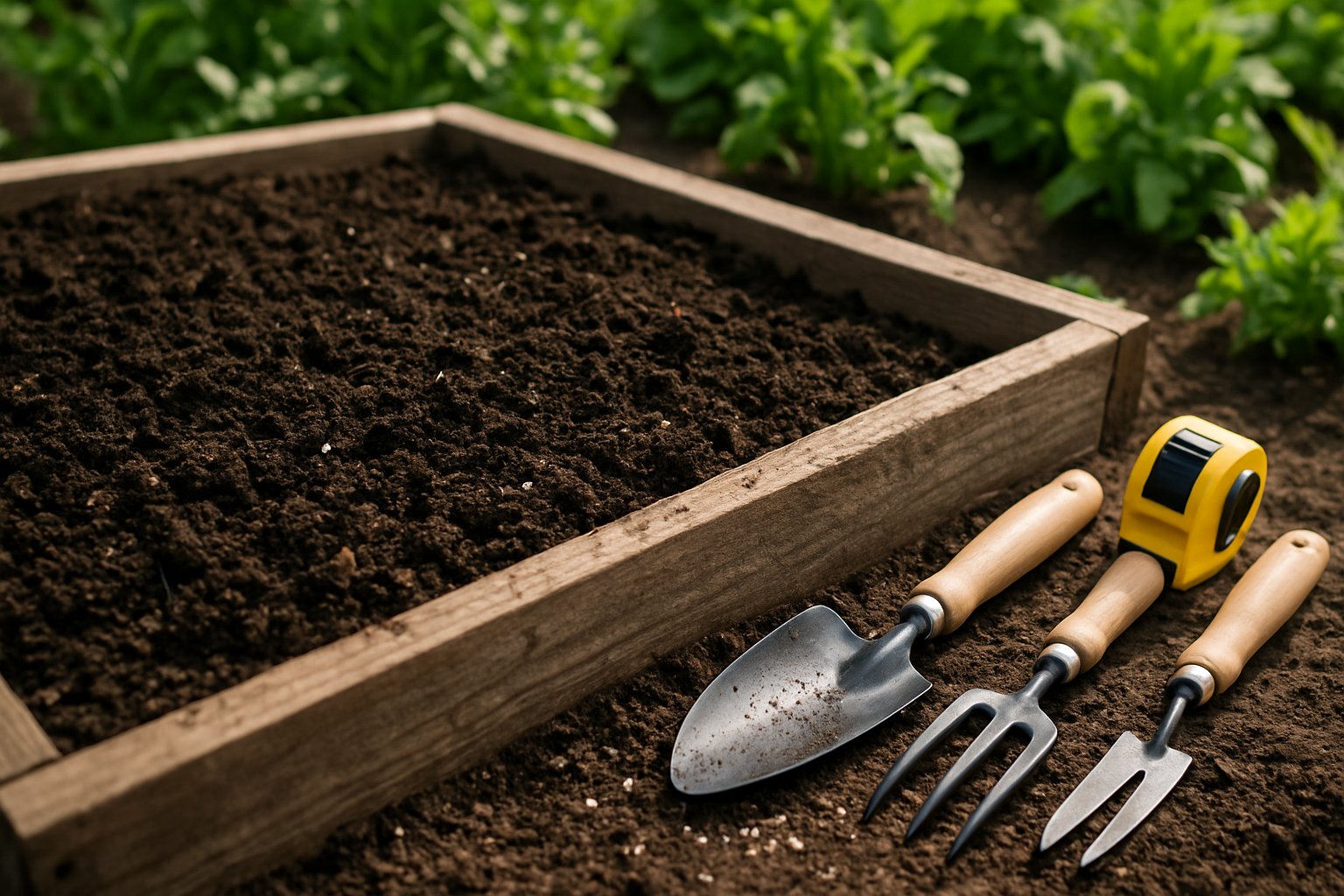
Healthy raised bed soil depends on three key factors: preventing compaction to maintain good aeration, supporting beneficial microbes through organic matter, and keeping pH and texture in the right range for plant growth.
Preventing Soil Compaction
Soil compaction crushes the air spaces between soil particles and makes it hard for roots to grow deep. In raised beds, gardeners should avoid walking or kneeling directly on the soil surface. Installing stepping stones or knee boards spreads weight across a larger area and protects the soil structure.
The soil naturally forms small clumps called aggregates that create pores for air and water. Breaking these apart through excessive digging or mixing forces them to rebuild slowly. A garden fork works better than a shovel for light mixing because it causes less disturbance.
Key practices to reduce compaction:
- Keep raised beds narrow enough to reach the center without stepping inside (typically 3-4 feet wide)
- Use pathways between beds to access all planting areas
- Limit deep digging to once per year when adding amendments
- Let earthworms and plant roots do most of the work breaking up soil
Encouraging Beneficial Microbes
Beneficial microbes break down organic matter and release nutrients that plants can absorb. These organisms need food, moisture, and oxygen to thrive in the soil. Adding compost provides both nutrients and living microbes that improve soil quality over time.
A layer of organic mulch on the soil surface feeds microbes as it breaks down. Wood chips, shredded leaves, or straw work well as mulch options. The mulch keeps soil temperatures steady and holds moisture, which creates better conditions for microbial activity.
Rotating different crops each season supports diverse microbe populations. Each plant type releases different compounds from its roots and attracts different beneficial organisms. Cover crops planted between growing seasons add organic matter and keep living roots in the soil year-round.
Balancing Soil pH and Texture
Most vegetables grow best in soil with a pH between 6.0 and 7.0. A simple soil test from a local extension office reveals the current pH level and shows what adjustments are needed. Adding lime raises pH in acidic soil, while sulfur lowers pH in alkaline soil.
Soil texture refers to the balance of sand, silt, and clay particles. Sandy soil drains quickly but holds fewer nutrients. Clay soil holds water and nutrients but drains slowly. The ideal raised bed mix combines different particle sizes for good drainage and nutrient retention.
Adding compost improves any soil texture. In sandy mixes, compost helps hold moisture and nutrients longer. In clay-heavy mixes, compost creates air spaces and improves drainage. Starting with a 70% soil to 30% compost ratio provides a solid foundation that improves with each growing season.
Building and Customizing Your Raised Bed Soil Mix
The right soil mix balances structure, drainage, and nutrients without requiring constant adjustments. Gardeners can either blend their own components or rely on bagged products, and both paths work when matched to what specific plants actually need.
DIY Mix Versus Pre-Made Bagged Soil
A basic DIY raised bed soil mix typically contains 50% compost, 25% aeration material like pumice or perlite, and 25% topsoil or coco coir. This ratio provides organic matter for nutrients, mineral content for structure, and air pockets for root growth.
Bagged soil labeled "raised bed mix" or "garden soil" offers convenience but varies widely in quality. Many bagged products use straight potting mix, which collapses after watering and lacks the mineral base needed for outdoor beds. Others contain too much wood fiber or poorly finished compost.
Cost comparison for a 4×8×1 ft bed (32 cubic feet):
| Method | Approximate Cost |
|---|---|
| Bulk components (DIY) | $40-80 |
| Premium bagged raised bed soil | $120-200 |
| Standard bagged garden soil | $80-120 |
DIY mixing costs less for larger beds and allows control over each ingredient. Bagged soil works well for small beds or when hauling bulk materials is not possible. Gardeners should check that any bagged product lists specific ingredients rather than vague terms like "forest products."
Adjusting for Plant Types and Needs
Heavy feeders like tomatoes, peppers, and squash need more organic matter and benefit from a mix with 60% compost instead of 50%. Root crops including carrots and parsnips require extra depth but prefer less nitrogen, so a mix with 40% compost and 35% topsoil prevents forking and hairy roots.
Shallow-rooted greens and herbs grow well in standard mixes but need consistent moisture. Adding an extra 5-10% coco coir helps the bed hold water without getting soggy.
Quick adjustment guide:
- Heavy feeders: Increase compost to 60%, reduce topsoil to 15%
- Root vegetables: Use 40% compost, 35% topsoil, 25% aeration
- Greens and herbs: Standard mix plus 5-10% coco coir for moisture retention
- Acid-loving plants: Add sulfur or peat moss to lower pH by 0.5-1.0 points
Soil testing every 2-3 years reveals pH and nutrient levels. Most vegetables prefer pH between 6.0 and 7.0, but blueberries and potatoes need lower ranges around 5.0-5.5.
Essential Fertilizers and Nutrient Management
Plants need three main nutrients to grow strong and produce food. Organic and synthetic fertilizers both deliver these nutrients, but they work differently in the soil.
Understanding N-P-K: Nitrogen, Phosphorus, and Potassium
Every fertilizer label shows three numbers that represent nitrogen, phosphorus, and potassium. These numbers tell gardeners the percentage of each nutrient in the product.
Nitrogen builds green leafy growth. Lettuce, spinach, and other leafy vegetables need higher nitrogen levels. Plants low in nitrogen show pale yellow leaves and slow growth.
Phosphorus supports root development and flower production. Tomatoes, peppers, and squash need phosphorus when they start flowering and setting fruit. This nutrient also helps seedlings establish strong root systems.
Potassium strengthens plants against disease and stress. It improves overall plant health and helps vegetables develop better flavor. Plants lacking potassium often show brown leaf edges.
A 10-10-10 fertilizer contains equal parts of all three nutrients. A 5-10-5 blend provides more phosphorus for flowering plants.
Choosing Between Organic and Synthetic Fertilizer
Organic fertilizers come from plant or animal sources like composted manure, fish emulsion, or worm castings. They release nutrients slowly as microorganisms break them down over weeks or months. This slow release feeds plants steadily and builds long-term soil health.
Synthetic fertilizers are manufactured from chemical compounds. Plants absorb these nutrients immediately, which makes them useful for fixing problems fast. However, they wash out of the soil quickly and require more frequent applications.
| Organic Fertilizer | Synthetic Fertilizer |
|---|---|
| Slow nutrient release | Immediate availability |
| Feeds soil microbes | Direct plant feeding |
| Improves soil structure | No soil improvement |
| Lower nutrient concentration | Higher nutrient concentration |
Many gardeners use both types. Organic amendments maintain baseline fertility while synthetic products address specific deficiencies during the growing season.
Incorporating Bone Meal, Blood Meal, and Rock Phosphate
Blood meal provides high nitrogen content, typically around 12-0-0. Gardeners mix it into soil before planting leafy greens or use it as a side dressing for nitrogen-hungry crops. Apply one cup per 10 square feet of bed space.
Bone meal delivers phosphorus with a typical ratio of 3-15-0. It promotes root growth and flowering in tomatoes, peppers, and fruiting plants. Mix two cups per 10 square feet into the soil at planting time.
Rock phosphate releases phosphorus slowly over several years. It works well as a long-term amendment in beds that will grow the same crops repeatedly. Apply three cups per 10 square feet and work it into the top six inches of soil.
These organic fertilizers work best when mixed into moist soil. Water the bed thoroughly after application to activate the nutrients.
Preventing and Fixing Nutrient Deficiencies
Plants show clear signs when they lack specific nutrients. Pale yellow leaves indicate nitrogen deficiency. Purple-tinged foliage suggests low phosphorus. Brown or scorched leaf edges point to potassium problems.
Gardeners should check plants weekly during active growth. Early detection prevents small issues from reducing harvest yields. Adding two inches of compost as mulch each spring helps prevent most deficiencies.
Testing soil every two years provides detailed information about nutrient levels. Home test kits give basic readings for pH and major nutrients. Laboratory tests reveal micronutrient levels and organic matter content.
Cover crops like clover fix nitrogen from the air when planted in empty beds during fall and winter. Till these plants under in spring to add green manure. This practice reduces the need for additional nitrogen fertilizer by up to 50 percent.
Maintaining and Improving Your Raised Bed Soil Over Time
Raised bed soil needs regular attention to stay productive season after season. Adding organic matter, applying mulch, and checking moisture levels keep the soil healthy and ready for planting.
Refreshing Soil With Organic Amendments
Soil loses nutrients each growing season as plants absorb them for growth. Adding compost annually replenishes these nutrients and improves soil structure. A 2-3 inch layer of finished compost mixed into the top 6 inches of soil provides essential nutrients and supports beneficial microbes.
Worm castings offer concentrated nutrients in a form plants can easily absorb. Gardeners can add 1-2 pounds of worm castings per square foot of bed space each spring. These castings improve soil health without the risk of burning plant roots.
Cover crops like clover, rye, or buckwheat add organic matter when turned into the soil. Planting these crops after harvest and cutting them down before they set seed allows them to decompose and enrich the bed. Legume cover crops also fix nitrogen from the air into the soil, reducing the need for additional fertilizer.
Organic fertilizers such as fish meal, blood meal, or bone meal release nutrients slowly over time. These amendments feed both plants and soil organisms, maintaining a balanced ecosystem within the raised bed.
Using Mulch and Organic Materials
Organic mulch protects soil and adds nutrients as it breaks down. Straw, shredded leaves, or grass clippings applied in a 2-3 inch layer reduce water evaporation and prevent weed growth. The mulch gradually decomposes, adding organic matter to the soil below.
Fresh mulch should be added each growing season to maintain coverage. As the bottom layers break down, they improve soil texture and feed beneficial organisms. Mulch also regulates soil temperature, keeping roots cooler in summer and warmer in spring and fall.
Wood chips work well for pathways but break down slowly in planting areas. Finer materials like straw or chopped leaves decompose faster and integrate better with the soil. Gardeners should avoid using mulch that contains weed seeds or has been treated with chemicals.
Monitoring Moisture Retention and Drainage
Raised beds can dry out faster than ground-level gardens, especially during hot weather. Checking soil moisture regularly by inserting a finger 2-3 inches deep helps determine when watering is needed. Soil should feel slightly moist but not waterlogged.
Adding compost and organic matter improves moisture retention without creating drainage problems. These materials act like a sponge, holding water for plant roots while allowing excess to drain away. Soil that stays too wet or dries out too quickly needs adjustment with additional organic amendments.
Poor drainage can cause root rot and other problems. If water pools on the surface after watering, the soil may be compacted or contain too much clay. Adding sand or perlite in small amounts improves drainage, but organic matter remains the best solution for most drainage issues. A garden fork can gently loosen compacted soil without disrupting plant roots.
Frequently Asked Questions
Raised bed gardeners need clear answers about depth requirements, soil recipes, and feeding schedules. The right mix of compost, aeration materials, and base ingredients determines whether plants thrive or struggle.
What is the optimal soil depth for various vegetables in raised beds?
Leafy greens, herbs, radishes, and arugula grow well in 8 to 10 inches of soil. These shallow-rooted crops establish quickly and produce harvests without needing deep beds.
Bush beans, peas, and trellised cucumbers need 10 to 12 inches of depth. Peppers and eggplant perform better with 12 to 14 inches of soil beneath them.
Tomatoes require 14 to 18 inches minimum when caged or staked. Carrots, beets, turnips, onions, and garlic also need this depth range to develop properly.
Potatoes and parsnips demand 18 to 24 inches or more. These deep-rooted crops need extra room to expand underground and reach their full size.
How do you create a balanced raised bed soil mix for healthy plant growth?
A balanced mix combines three components: organic matter for nutrients, aeration material for drainage, and a base for structure. Each element serves a specific function that plants need.
The organic portion feeds soil organisms and releases nutrients slowly. Compost should make up about half of the total volume in most recipes.
Aeration materials like pumice or perlite prevent compaction and keep oxygen available to roots. This component typically fills one quarter of the bed.
The base ingredient adds structure and holds the mix together. Screened topsoil or coco coir works for this purpose and makes up the remaining quarter.
What is the recommended soil mix ratio for raised garden beds?
The standard ratio is 50 percent compost, 25 percent aeration material, and 25 percent base ingredient. This combination works for most vegetables and holds up through multiple growing seasons.
Gardeners can adjust the ratio to 40 percent topsoil, 40 percent compost, and 20 percent aeration for a budget-friendly option. This mix requires 2 to 3 inches of mulch after planting to maintain structure.
A peat-free living soil uses 50 percent compost (with 5 to 10 percent as worm castings), 25 percent rehydrated coco coir, and 25 percent pumice. This recipe supports beneficial organisms and improves over time.
What ingredients are commonly included in a raised bed soil mix, and why?
Finished compost provides nutrients and beneficial microorganisms that plants need to grow. Blending compost from multiple sources creates a more complete nutrient profile.
Pumice or perlite opens up the soil structure and prevents waterlogging. Pumice lasts longer than perlite and does not break down or float to the surface.
Screened topsoil adds weight and mineral content that anchors the mix. It helps retain moisture while providing trace elements that purely organic materials lack.
Coco coir serves as a renewable alternative to peat moss in the base layer. It holds water well and breaks down slowly without depleting soil nitrogen.
Worm castings boost microbial activity and add enzymes that help plants absorb nutrients. Adding 5 to 10 percent of the compost portion as castings improves plant health noticeably.
When and how should fertilizer be applied to soil in raised beds for best results?
Mix 1 to 2 cups of organic all-purpose fertilizer per cubic foot into the soil during the initial fill. This starter dose gives plants nutrients to access right away.
Water the bed deeply after filling to settle the mix, then top off any sunken areas before planting. This prevents air pockets that can dry out roots.
Scratch a light handful of fertilizer around each plant or along the row when transplanting new crops. This side-dressing method delivers nutrients where roots will grow.
Add 1 to 2 inches of fresh compost between growing seasons to maintain fertility. Keep 2 to 3 inches of mulch on the surface year-round to feed soil organisms.
Can bulk garden soil be used directly for raised beds, or does it need amendments?
Bulk topsoil alone compacts too much for raised bed use and lacks sufficient nutrients. It needs blending with compost and aeration materials to function properly.
A mix of 40 percent topsoil, 40 percent compost, and 20 percent pumice or perlite creates an affordable raised bed medium. This combination costs less than buying all bagged products while maintaining good structure.
Straight bulk soil without amendments drains poorly and can suffocate roots in a confined raised bed. Adding one part aeration material to every two parts soil prevents this problem.
Gardeners should avoid bagged potting mix as the sole growing medium because it collapses and loses structure quickly. Combining it with topsoil and compost creates a more stable environment for vegetables.