Growing your own vegetables at home is easier than most people think. A beginner can start a successful vegetable garden with just a small plot of land, basic tools, and knowledge of which vegetables grow best in their area. Fresh homegrown produce tastes better than store-bought options and saves money on grocery bills.
Many new gardeners feel overwhelmed by the amount of information available about starting a vegetable garden from scratch. The good news is that vegetable gardening for beginners doesn't require special skills or expensive equipment. With the right planning and simple techniques, anyone can grow healthy plants that produce food for their family.
This guide covers everything needed to create a thriving vegetable garden. It walks through choosing a location, selecting easy vegetables to grow, preparing soil, planting seeds, and maintaining plants throughout the growing season. Beginners will learn how to avoid common mistakes and set themselves up for a productive harvest.
Key Takeaways
- Start with a small garden space and choose easy vegetables like lettuce, tomatoes, and green beans
- Pick a sunny location with good drainage and prepare nutrient-rich soil before planting
- Plan when to plant each vegetable based on local frost dates and provide regular watering and maintenance
Choosing the Right Type of Vegetable Garden
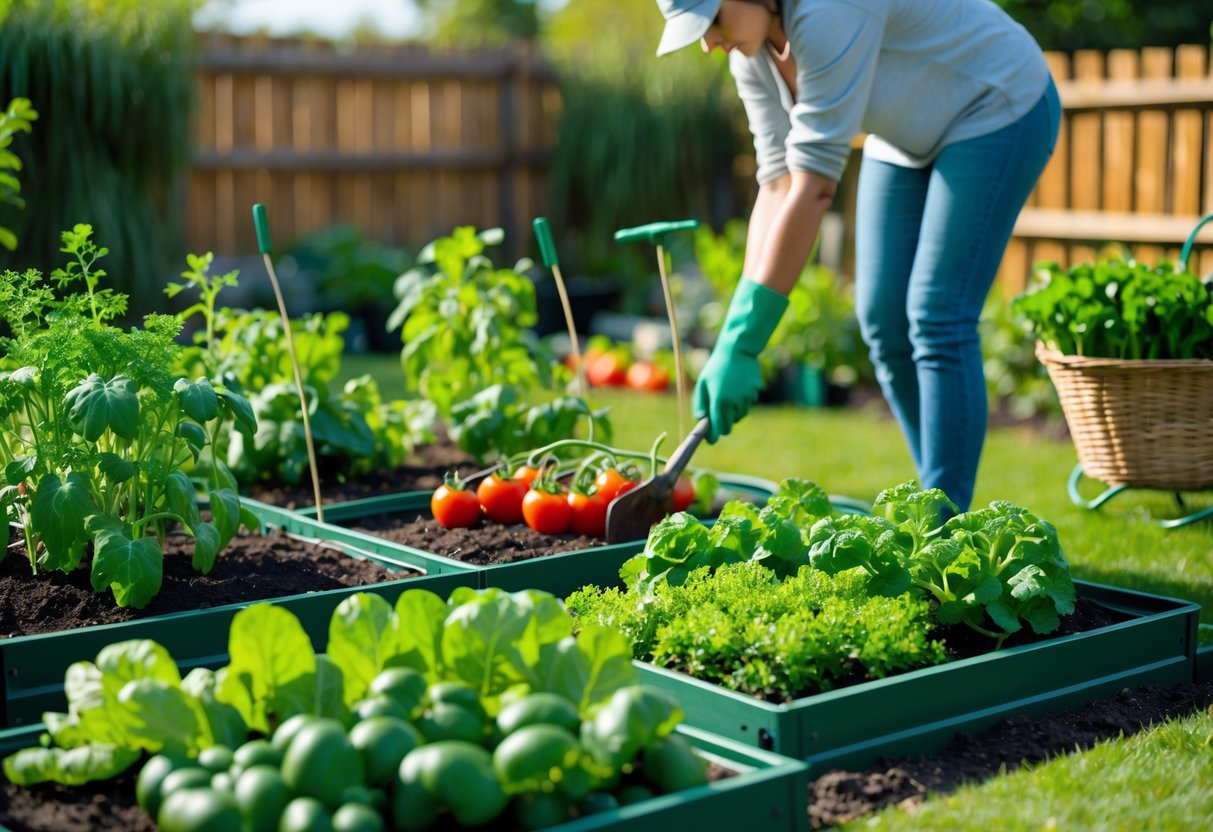
The type of garden a beginner chooses depends on available space, budget, and physical abilities. Containers work well for small spaces like patios, raised beds offer better control over soil quality, and traditional garden plots provide the most growing area.
Container Gardening Essentials
Container gardens are ideal for gardeners with limited space, such as balconies, patios, or small yards. Vegetables grow in individual pots filled with potting mix rather than garden soil.
The container size matters significantly. Tomatoes need at least 5-gallon containers, while lettuce and herbs can thrive in smaller 1–2 gallon pots. Drainage holes are required in every container to prevent waterlogged roots and root rot.
Container plants dry out faster than in-ground vegetables. Gardeners should check soil moisture daily during hot weather and water when the top inch feels dry. Best vegetables for containers include cherry tomatoes, peppers, lettuce, radishes, and herbs.
Benefits of Raised Beds
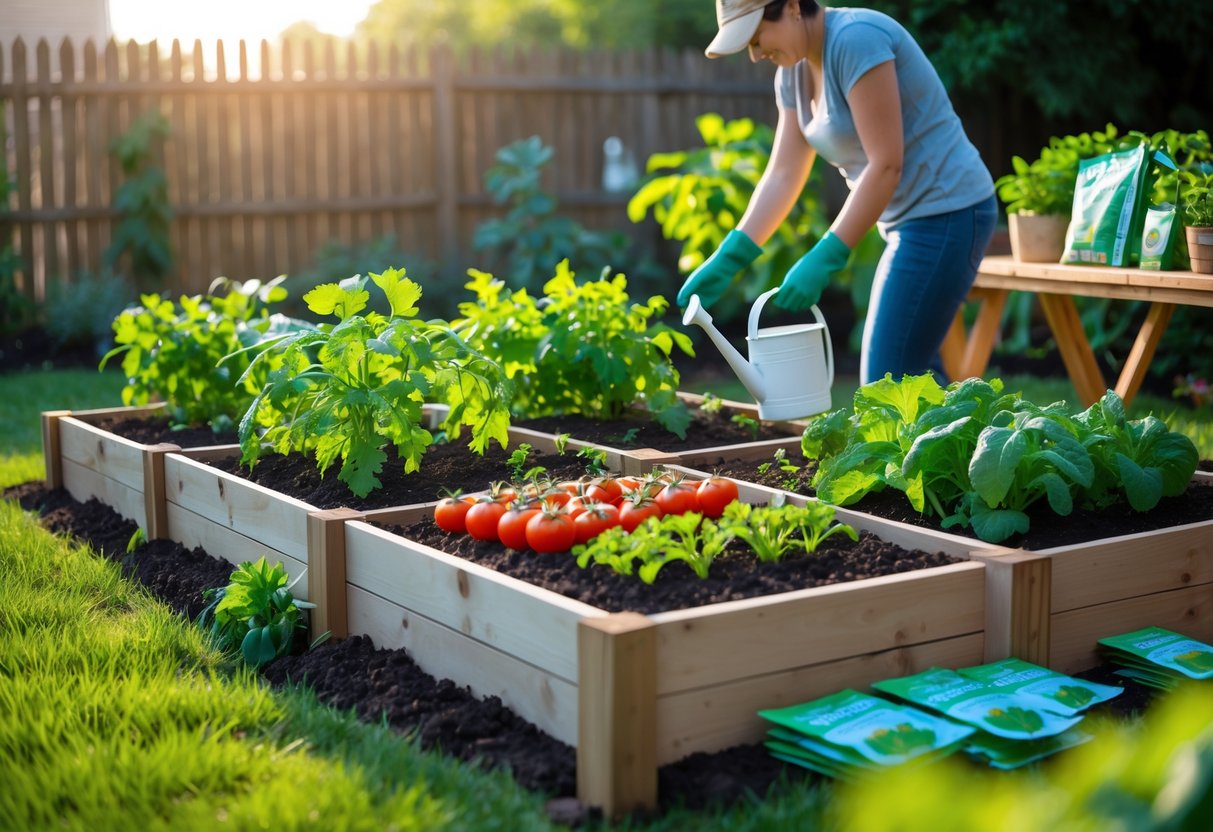
Raised bed gardens are constructed using wood, stone, or other materials to create enclosed beds above ground level. These beds are filled with custom soil mixes that provide better growing conditions than native soil.
Raised beds improve drainage naturally. Water flows through the elevated soil more easily, preventing standing water that damages roots. The beds also warm up faster in spring, allowing earlier planting dates.
Better soil control is the main advantage. Gardeners can create the perfect soil blend without dealing with existing poor-quality ground soil. The raised structure reduces bending and kneeling, making gardening easier on the back and knees.
Weed control becomes simpler in raised beds. Fewer weed seeds reach the elevated soil, and any weeds that do appear are easier to spot and remove.
If you're planning a raised bed
Try the AgrowGuide Raised Bed Soil Calculator to estimate how much soil you need.
Siting Your Garden Plot
Most vegetables need at least 6–8 hours of sunlight per day. A garden plot should be located in the sunniest available spot, away from buildings and trees that create shade.
Water access is critical for daily maintenance. The garden should be within reasonable distance of a hose or water source to make watering convenient. Carrying water long distances discourages regular care.
Good drainage prevents root diseases and plant death. Areas where water pools after rain should be avoided. Gardeners can test drainage by digging a hole, filling it with water, and checking if it drains within a few hours.
Wind protection helps prevent plant damage and reduces water loss. Natural windbreaks like fences or hedges provide shelter without blocking sunlight.
Planning Your Vegetable Garden
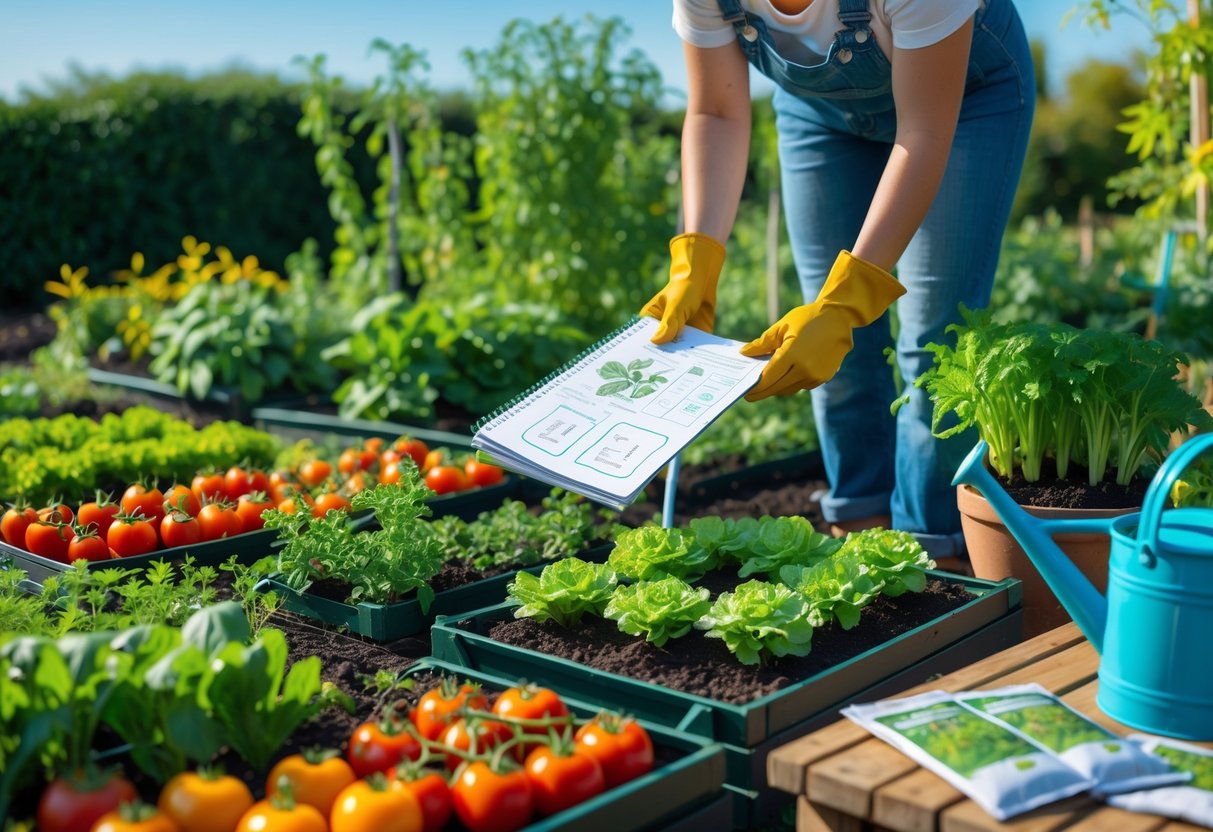
Success in growing vegetables starts with smart planning decisions about what to plant, when to plant it, and where each crop will go. These choices determine whether a vegetable garden thrives or struggles throughout the season.
Selecting Vegetables to Grow
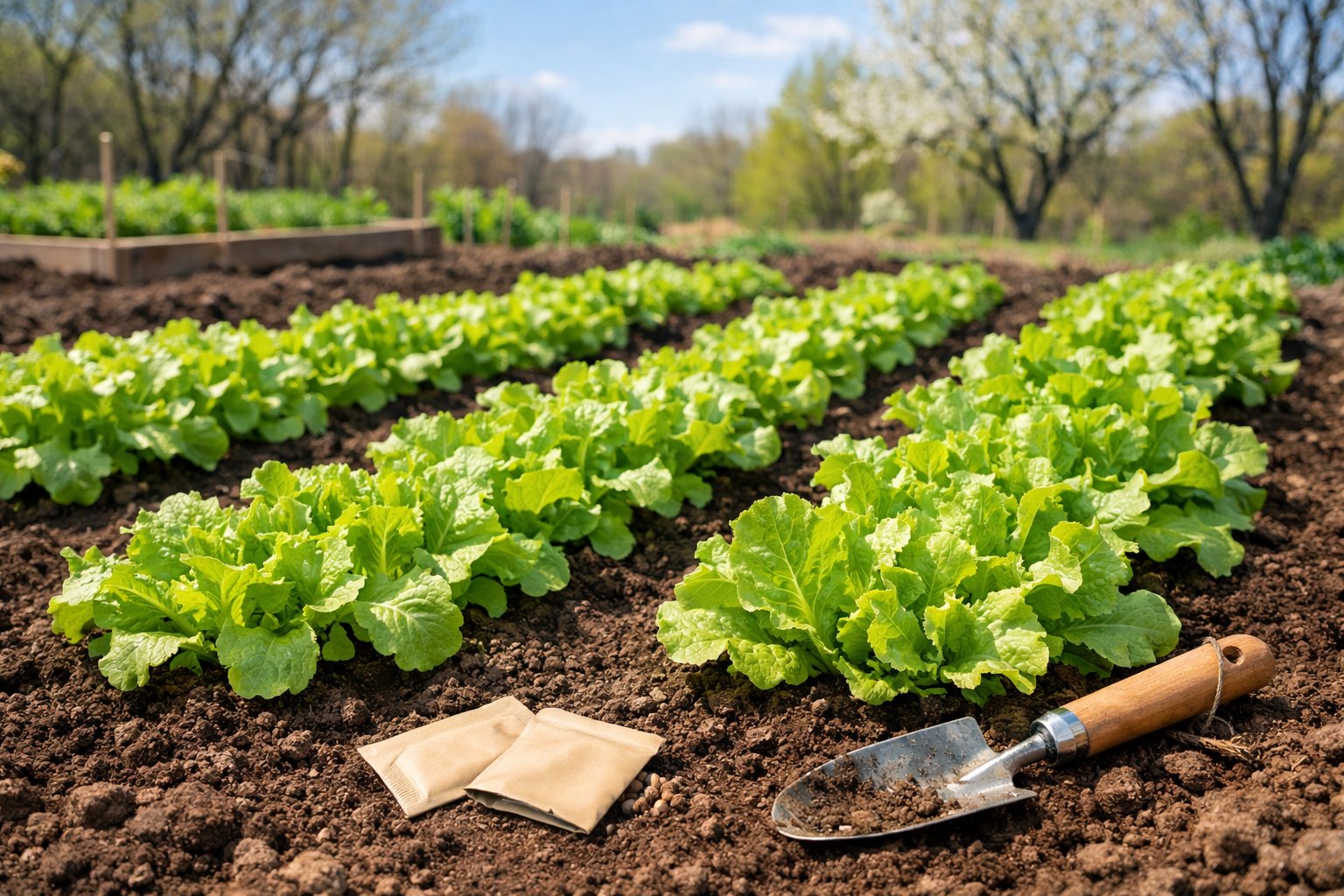
Beginners should start with crops that forgive mistakes and produce reliable harvests. Lettuce grows quickly and tolerates cool weather, making it perfect for spring planting. Summer squash and zucchini produce abundant yields with minimal care once warm weather arrives.
Peas work well for early spring planting since they handle cold soil better than most crops. They also fix nitrogen in the soil, which benefits plants that follow them.
Choose vegetables based on three factors: available space, eating preferences, and difficulty level. A small garden might focus on high-value crops like tomatoes and peppers rather than space-hungry corn. Growing vegetables the household actually enjoys eating prevents waste and keeps motivation high.
Consider planting times when selecting crops. Some vegetables like lettuce can be planted multiple times per season for continuous harvests. Others like tomatoes need the full growing season to mature.
Understanding Climate and Growing Seasons
Every region has specific frost dates that determine planting schedules. The last spring frost date tells gardeners when it's safe to plant warm-season crops outdoors. The first fall frost date indicates when tender plants will likely die.
Cool-season vegetables tolerate light frosts and grow best in spring or fall. This group includes lettuce, peas, broccoli, and carrots. Warm-season crops like tomatoes, peppers, and summer squash need soil temperatures above 60°F to thrive.
Cool-Season Vegetables:
- Lettuce
- Peas
- Spinach
- Radishes
Warm-Season Vegetables:
- Tomatoes
- Zucchini
- Summer squash
- Cucumbers
Starting a garden requires matching crop choices to the local climate. Cold regions have shorter growing seasons, so fast-maturing varieties work best. Warmer areas can grow heat-loving crops that need longer to mature.
Not sure when to plant?
Use the AgrowGuide Planting Calendar to see the best planting dates for your growing zone.
Mapping Your Garden Layout
A well-planned layout maximizes space and keeps plants healthy. Most vegetables need 6–8 hours of direct sunlight daily, so place the garden where it receives full sun. Position taller plants like tomatoes on the north side to prevent shading shorter crops.
Space plants according to their mature size, not their size at planting. Vegetable seeds start small but many plants spread significantly as they grow. Crowded plants compete for nutrients and airflow, which invites disease problems.
Square foot gardening divides beds into one-foot sections, with each square holding a specific number of plants based on size. This method works well for raised beds and helps beginners avoid overcrowding.
Group plants with similar water needs together to simplify irrigation. Keep perennial crops like asparagus separate from annual vegetables that get replanted each year. Draw the layout on paper before planting to visualize spacing and identify potential problems.
Preparing the Soil for Success
Good soil provides vegetables with nutrients, water, and proper drainage they need to grow strong. Testing soil conditions and adding organic matter creates the foundation for a productive garden.
Assessing Soil Conditions
A soil test reveals pH levels and nutrient content. Most vegetables grow best in soil with a pH between 6.0 and 7.0.
Gardeners can perform a simple jar test at home to check soil texture. They fill a mason jar halfway with garden soil, add water to nearly full, and shake it vigorously. After 24 hours, the soil settles into layers with sand on the bottom, silt in the middle, and clay on top.
The ideal vegetable garden soil contains a balanced mix of sand, silt, and clay. Sandy soil drains quickly but doesn't hold nutrients well. Clay soil holds water and nutrients but drains poorly. The jar test shows which type dominates the garden plot.
Improving Soil Quality with Organic Matter
Compost is the best amendment for all soil types. Gardeners should spread a 2–4 inch layer of well-rotted compost over the entire garden bed before planting.
For different soil types:
- Clay soil needs compost to break up dense particles and improve drainage
- Sandy soil requires compost, peat moss, or coconut coir to retain moisture and nutrients
- All soil types benefit from aged animal manure, leaf mold, or worm castings
These amendments add beneficial microbes and earthworms to the soil. They also improve soil structure so roots can spread easily. Organic matter acts like a sponge to hold water longer between waterings.
Soil Preparation Techniques
Loosening compacted soil to a depth of 8–12 inches gives vegetable roots room to grow. A garden fork or broadfork works well because it loosens soil without destroying the natural structure and beneficial organisms.
The double-dig method involves removing the top layer of soil, loosening the subsoil below with a garden fork, then replacing the top layer. This creates excellent drainage and root penetration.
No-dig methods like sheet mulching offer an easier approach. Gardeners lay cardboard over grass or weeds, then pile on layers of compost, shredded leaves, and grass clippings. The materials smother weeds and break down into rich soil over several months.
After adding amendments, gardeners mix them into the top 4–6 inches with a garden fork or rake. They then smooth the surface and water thoroughly. The bed should rest for one to two weeks before planting so the soil ecosystem can stabilize.
Planting and Growing Vegetables
Successfully planting vegetables requires choosing the right method for each crop and providing proper care from the start. Water management and early plant protection set the foundation for a productive harvest.
Direct Sowing vs. Transplanting
Some vegetables grow best when planted directly into garden soil, while others need a head start indoors. Direct sowing works well for crops that don't like their roots disturbed or that grow quickly on their own.
Best vegetables for direct sowing:
- Root vegetables like carrots, beets, radishes, and garlic
- Leafy greens such as lettuce, spinach, and kale
- Fast growers including peas, cucumber, and zucchini
Plant these seeds directly into prepared soil at the depth listed on the seed packet. Most seeds need to be planted at a depth two to three times their width.
Vegetables that benefit from transplanting:
- Tomatoes
- Broccoli and cauliflower
- Cabbage and other brassicas
- Onions and other alliums
- Basil
These crops need a longer growing season or prefer controlled conditions early in life. Gardeners can buy young plants from nurseries or start seeds indoors 6–8 weeks before the last frost date.
Caring for Young Plants
Young seedlings need protection and attention during their first few weeks. Thin direct-sown vegetables once they develop their first true leaves to prevent overcrowding.
Space plants according to their mature size. Lettuce needs 6–8 inches between plants, while zucchini requires 24–36 inches. Crowded plants compete for nutrients and sunlight, leading to poor growth.
Watch for pests that target tender seedlings. Cutworms can destroy young tomatoes and brassicas overnight. A collar made from cardboard around each stem helps keep these pests away.
Harden off transplants before moving them to the garden. Place them outside for a few hours each day, gradually increasing exposure over one week. This process prevents shock from sudden temperature and light changes.
Watering and Mulching
Most vegetables need 1–2 inches of water per week from rain or irrigation. Water deeply and less frequently rather than giving shallow daily drinks. This encourages roots to grow deeper into the soil.
Water at the base of plants early in the morning. Wet leaves invite disease, especially on tomatoes, cucumbers, and brassicas like broccoli and cabbage. Drip irrigation or soaker hoses deliver water efficiently to roots.
Apply 2–3 inches of organic mulch around plants once the soil warms up. Straw, shredded leaves, or grass clippings work well. Mulch keeps soil moist, prevents weeds, and regulates soil temperature.
Keep mulch a few inches away from plant stems to prevent rot. Vegetables like onions, garlic, and other alliums appreciate mulch that suppresses competing weeds. Root crops such as carrots and radishes also benefit from consistent moisture that mulch provides.
Maintaining and Protecting Your Vegetable Garden
A thriving vegetable garden requires consistent attention to weed control, pest management, and overall plant health. Regular maintenance prevents problems from becoming overwhelming and helps plants produce abundant harvests.
Managing Weeds and Pests
Weeds compete with vegetables for water, nutrients, and sunlight. Gardeners should pull weeds when they're small, ideally after rain when the soil is moist and roots come out easily. Mulching around plants with 2–3 inches of straw, wood chips, or grass clippings suppresses weed growth while retaining soil moisture.
Growing and caring for your vegetable garden also involves managing common pests like aphids, caterpillars, and beetles. Hand-picking larger pests early in the morning works well for small gardens. Spraying plants with a strong stream of water dislodges soft-bodied insects like aphids.
Row covers made of lightweight fabric protect young plants from flying insects while allowing light and water through. Gardeners can also encourage beneficial insects like ladybugs and lacewings that eat harmful pests. Crop rotation each year helps break pest and disease cycles by preventing problems from building up in the soil.
Supporting Plant Health
Watering properly keeps vegetable plants healthy and productive. Most vegetables need 1–2 inches of water per week from rain or irrigation. Watering deeply but less frequently encourages strong root growth. Early-morning watering allows foliage to dry before evening, reducing disease risks.
Fertilizing replenishes nutrients that plants remove from soil. A balanced fertilizer applied every 3–4 weeks during the growing season supports steady growth. Leafy greens benefit from nitrogen-rich fertilizers, while fruiting plants like tomatoes need more phosphorus and potassium.
Staking or caging tall plants like tomatoes and peppers prevents them from falling over. This improves air circulation and keeps fruit off the ground where it might rot.
Harvesting and Enjoying Your Homegrown Vegetables
The best time to pick vegetables is early morning when plants contain the most sugars and flavor. Proper storage methods help homegrown produce last longer and taste better.
When and How to Harvest
Most vegetables taste best when harvested slightly smaller than grocery store versions. Harvesting in the morning after dew dries gives the sweetest flavor since plants rest overnight and store more sugars.
Lettuce and spinach can be picked leaf by leaf from the outside of the plant, leaving the center to keep growing. Gardeners can also grab a handful of leaves and cut across them all at once for a quick harvest.
Tomatoes should be picked when fully colored but still slightly firm. Zucchini tastes better at 6–8 inches long rather than letting it grow massive.
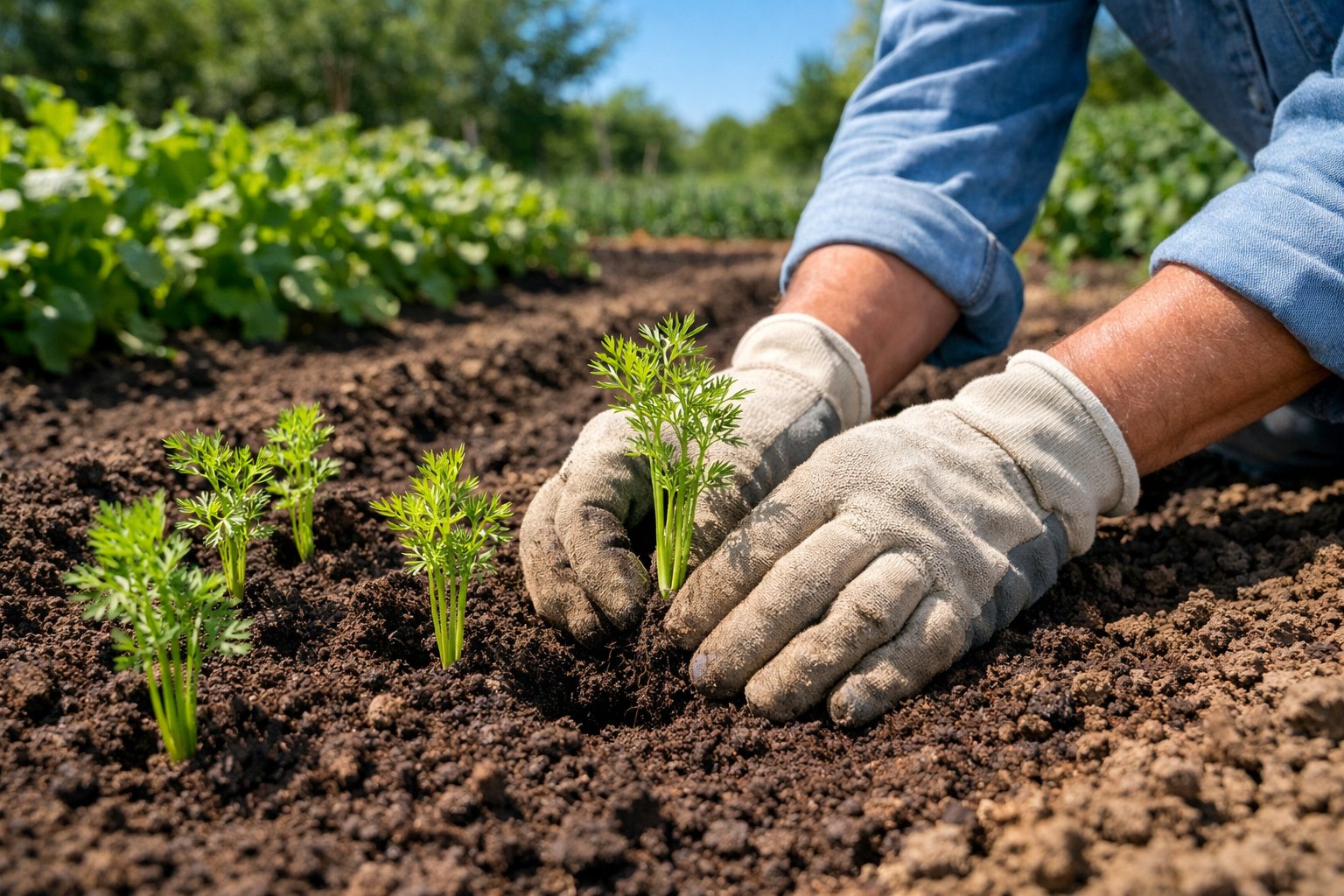
Carrots are ready when their shoulders peek above the soil. Water the soil the day before pulling them to make harvesting easier. A gentle tug on the leaves should pull the whole root up.
Peas need picking every day or two once they start producing. The pods should feel full but not bulging.
Clean pruners with rubbing alcohol before cutting to avoid spreading disease between plants. Never harvest more than one-third of any plant at once so it can keep photosynthesizing and producing food.
Storing and Using Fresh Produce
Fresh vegetables stay most nutritious when used within a day or two of harvesting. Leafy greens like lettuce and spinach should go straight into cool storage to prevent wilting.
Root vegetables like carrots need a good rinse and cool storage right away. They keep well in the refrigerator for several weeks.
Tomatoes should not go in the refrigerator, since cold temperatures ruin their flavor and texture. They stay best on the counter away from direct sunlight.
Zucchini and other summer squash last about a week in the crisper drawer. Gardeners who end up with too much produce can blanch and freeze vegetables or share extras with neighbors and friends.
Growing vegetables at home means eating produce at peak freshness when nutrients and flavor are highest.
Frequently Asked Questions
Starting a vegetable garden raises many practical questions about site preparation, layout design, and ongoing care. These answers address the most common concerns new gardeners face when creating productive growing spaces.
What are the essential steps for preparing an in-ground vegetable garden?
Preparing an in-ground garden begins with selecting a location that receives at least six to eight hours of direct sunlight daily. The site should have good drainage and easy access to water.
Testing the soil helps determine its pH level and nutrient content. Most vegetables grow best in soil with a pH between 6.0 and 7.0.
Removing grass, weeds, and debris from the selected area creates a clean slate for planting. A garden spade or tiller can break up compacted soil to a depth of 8–12 inches.
Adding organic matter like compost or aged manure improves soil structure and fertility. Working in 2–4 inches of organic material helps create loose, nutrient-rich soil that supports healthy root growth.
Leveling the prepared bed and creating defined edges keeps the garden organized. Some gardeners create slightly raised rows or mounds to improve drainage in areas with heavy clay soil.
How do you organize a vegetable garden efficiently?
Garden organization starts with grouping plants by their water and sunlight needs. Plants with similar requirements grow better when placed together and make watering more efficient.
Tall plants like tomatoes and pole beans should be positioned on the north side of the garden. This prevents them from shading shorter crops like lettuce and radishes.
Creating paths between planting beds provides access for weeding, watering, and harvesting. Paths should be wide enough to accommodate a wheelbarrow or garden cart, typically 18–24 inches.
Spacing plants according to their mature size prevents overcrowding and allows proper air circulation. Seed packets and plant tags provide specific spacing recommendations for each variety.
Labeling rows or sections helps track what was planted where. This information becomes valuable for crop rotation in future growing seasons.
What materials are needed to construct a raised garden bed?
Building a raised bed requires untreated wood boards, concrete blocks, or composite materials that won't leach chemicals into the soil. Cedar and redwood resist rot naturally and last for many years.
Standard raised bed dimensions are 4 feet wide by 8 feet long and 10–12 inches deep. This size allows easy reach from both sides without stepping on the soil.
Corner brackets or galvanized screws secure the frame pieces together. Using a level during construction ensures the bed sits evenly and drains properly.
Landscape fabric or hardware cloth on the bottom of the bed can help prevent weeds and burrowing pests from entering while still allowing drainage.
Filling the bed requires a mix of topsoil, compost, and other organic materials. A blend of about 60% topsoil, 30% compost, and 10% other amendments like peat moss or coconut coir creates an ideal growing medium.
What is the best way to plot a vegetable garden for optimal growth?
Planning a garden layout on paper before planting saves time and maximizes space. Drawing the garden to scale helps visualize how many plants will fit in the available area.
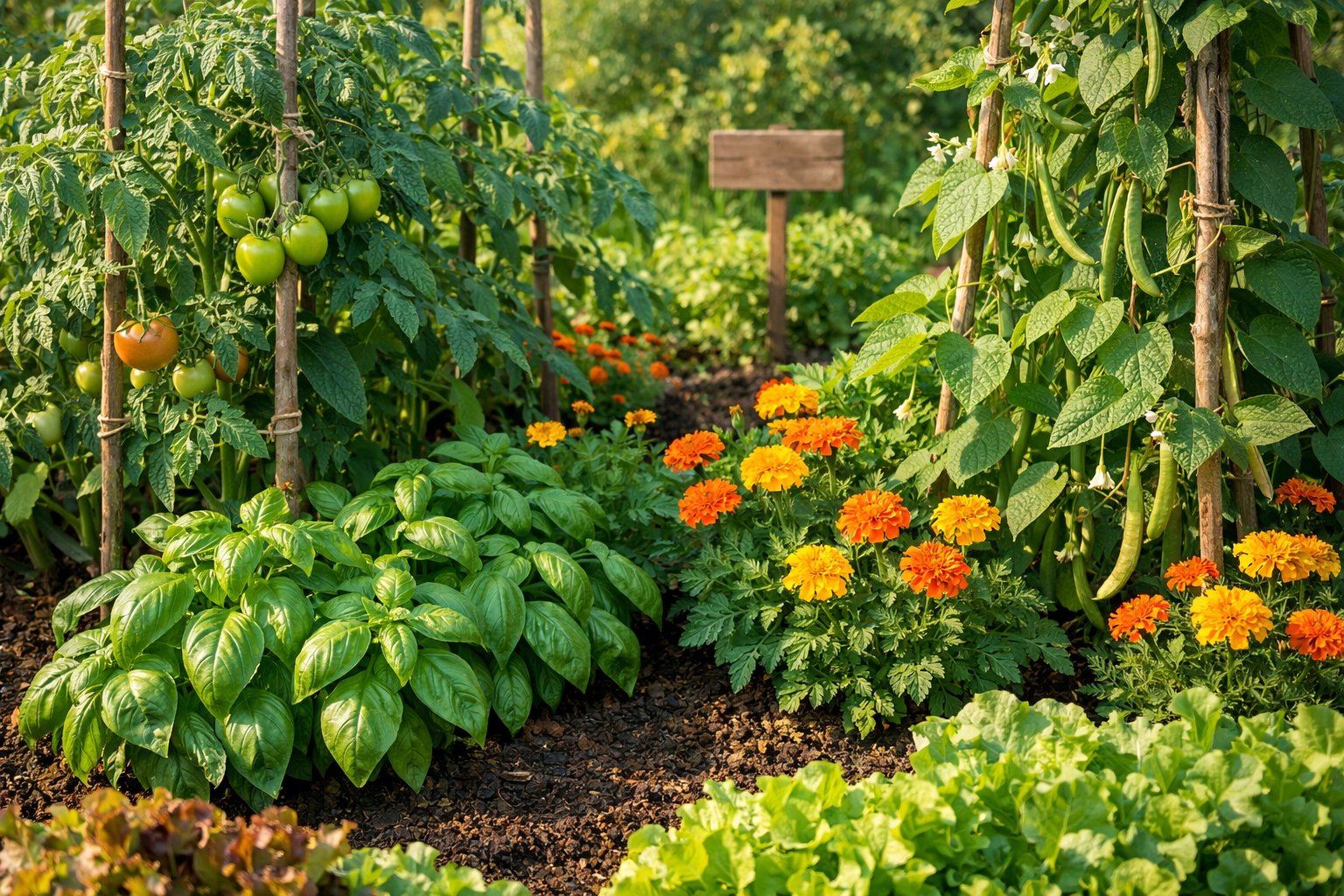
Companion planting strategies place compatible plants together to improve growth and help deter pests. Tomatoes and basil, for example, grow well side by side, while carrots benefit from being near onions.
Succession planting extends the harvest season by staggering planting dates. Sowing lettuce or radishes every two weeks provides continuous harvests rather than one large crop.
Vertical growing structures like trellises and cages support vining plants and save ground space. Cucumbers, peas, and pole beans produce more when grown vertically.
Leaving space for future plantings allows gardeners to add warm-season crops after spring vegetables are harvested. Cool-season crops like lettuce can be replaced with peppers or squash in summer.
How can a beginner start a vegetable garden in a small space?
Container gardening works well for beginners with limited space like patios, balconies, or small yards. Pots should be at least 12 inches deep for most vegetables and have drainage holes.
Choosing compact or dwarf varieties bred for containers ensures plants don't outgrow their space. Cherry tomatoes, bush beans, and small pepper varieties thrive in pots.
Beginner-friendly vegetables like lettuce grow quickly in small spaces and can be harvested continuously. Radishes reach maturity in as little as 25 days and take up minimal room.
Vertical planters and hanging baskets add growing space without requiring more floor area. Strawberries, herbs, and trailing plants like cherry tomatoes work well in hanging containers.
Window boxes and railing planters expand growing options for apartment dwellers. Herbs, salad greens, and small vegetables produce well in these shallow containers when watered regularly.
What are effective methods for maintaining a healthy vegetable garden?
Consistent watering keeps plants healthy without oversaturating the soil. Most vegetables need 1–2 inches of water per week from rain or irrigation.
Applying mulch around plants conserves moisture, suppresses weeds, and regulates soil temperature. A 2–3 inch layer of straw, shredded leaves, or wood chips provides these benefits.
Regular weeding prevents competition for nutrients, water, and light. Removing weeds when they're small makes the task easier and prevents them from going to seed.
Fertilizing with a balanced, preferably organic fertilizer supports steady growth and production throughout the season. Applying fertilizer at planting time and again midway through the growing season usually provides adequate nutrients.
Monitoring plants for pest damage allows for early intervention before problems become severe. Gentle options like neem oil, insecticidal soap, and hand-picking help control many common pests without harsh chemicals.