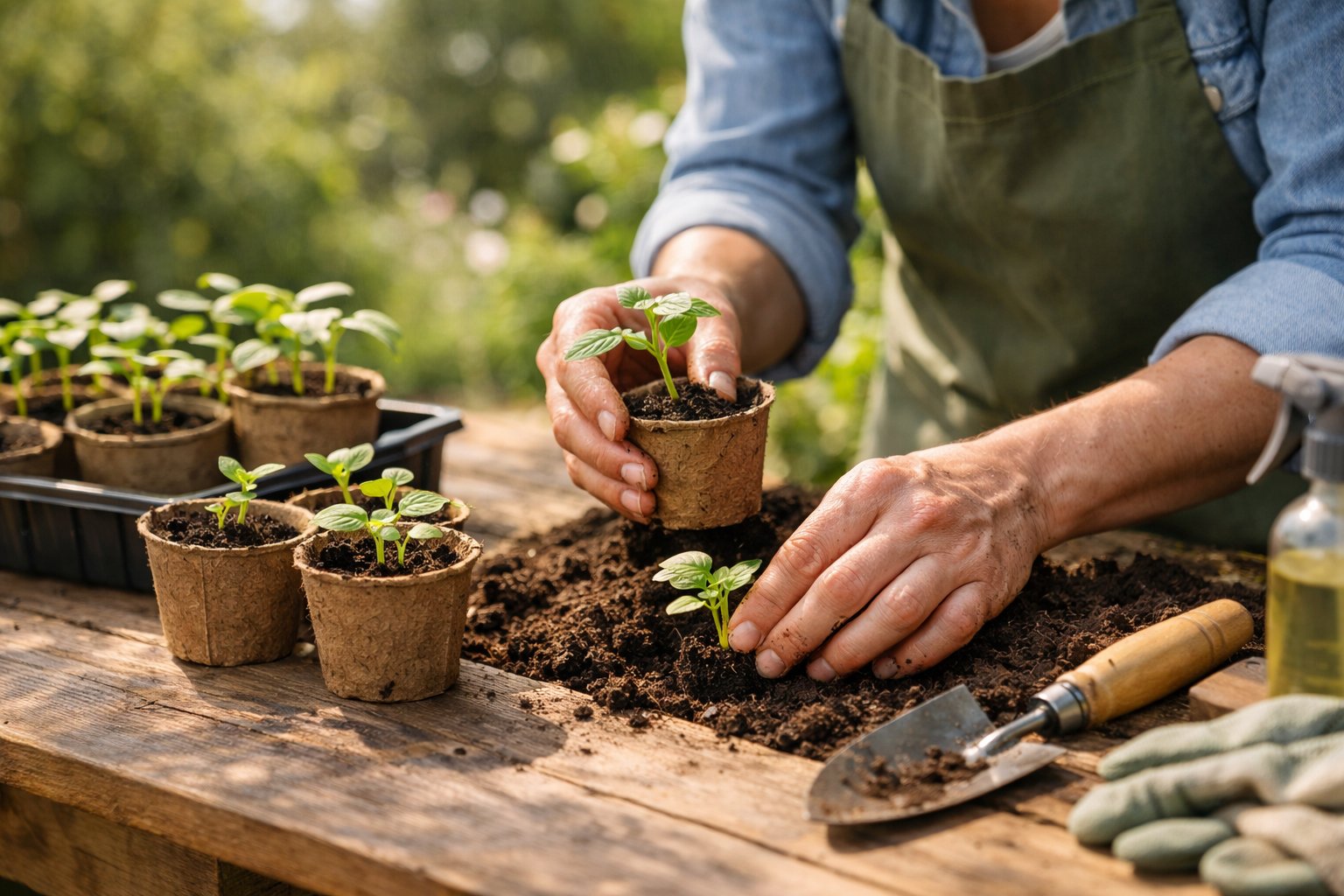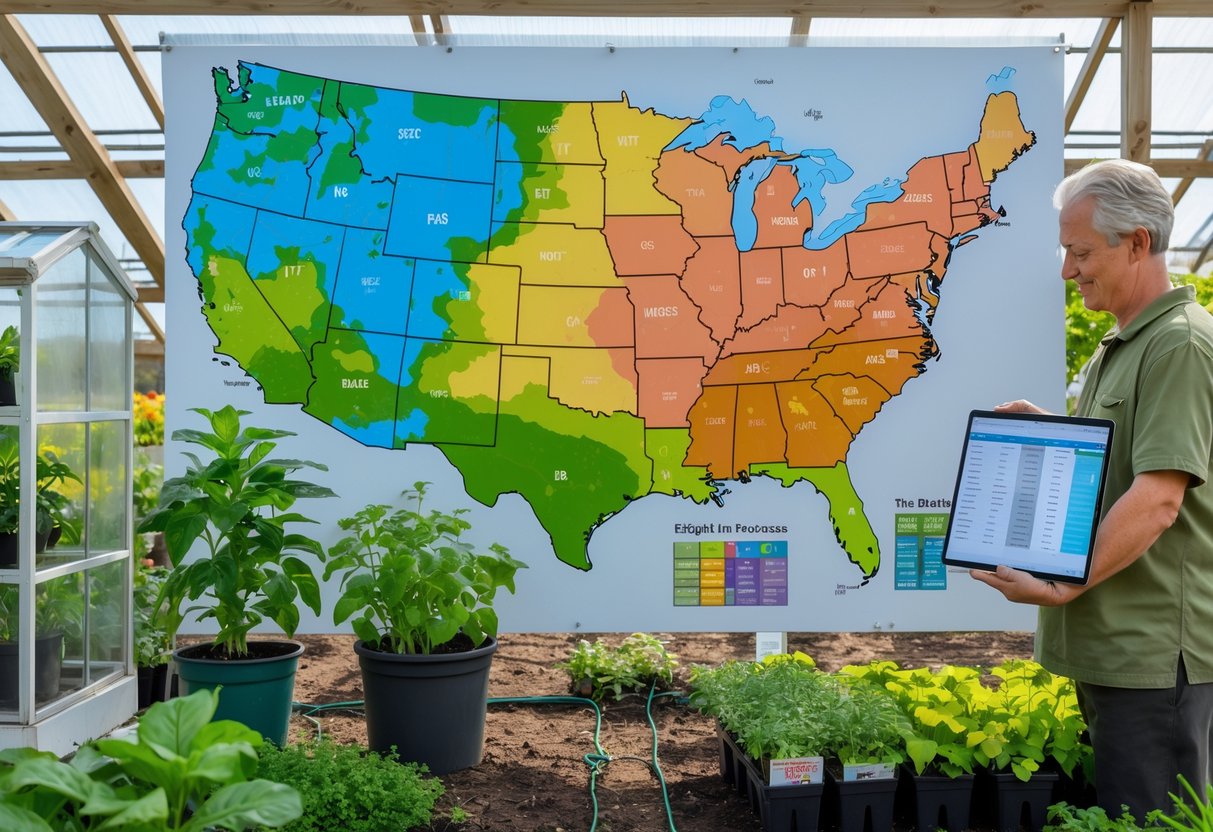
Knowing when to plant and protect a garden can mean the difference between a thriving harvest and total crop loss. Frost dates, hardiness zones, and microclimates work together to determine the best planting and protection schedule for any location. Without this information, gardeners risk planting too early and losing tender plants to unexpected cold, or waiting too long and missing the prime growing season.
Frost dates mark the average last spring frost and first fall frost for an area. These dates help gardeners time their planting and harvesting activities. Hardiness zones provide a broader picture of what plants can survive winter in specific regions. Microclimates add another layer of detail, showing how local features like elevation, water bodies, and urban areas affect temperature patterns within the same zone.
This guide breaks down how to find accurate frost dates, identify the correct hardiness zone, and spot microclimates that affect a garden. It also covers practical strategies for protecting plants from frost damage and planning a successful growing season based on local climate conditions.
Key Takeaways
- Frost dates indicate when to safely plant and harvest crops in a specific area
- Hardiness zones and microclimates affect plant survival and growing season length
- Understanding local climate factors helps gardeners protect plants and maximize yields
Understanding Frost Dates
Frost dates serve as critical markers that tell gardeners and farmers when freezing temperatures are likely to occur in their area. These dates directly impact planting schedules and help prevent costly frost damage to crops and garden plants.
What Are Frost Dates and Why They Matter
Frost dates represent the average dates when an area experiences its last freezing temperature in spring and its first freezing temperature in fall. These dates occur when temperatures drop to 32°F or below, creating conditions where ice crystals can form on plant surfaces and in plant tissues.
Gardeners and farmers rely on frost dates to plan when to start seeds, transplant seedlings, and harvest crops. Planting tender vegetables like tomatoes or peppers before the last spring frost can result in complete crop loss. Similarly, leaving cold-sensitive plants in the ground past the first fall frost risks losing an entire harvest.
Frost dates provide a framework for the growing season. The period between the last spring frost and first fall frost determines how long plants have to grow and produce. Areas with longer frost-free periods can support warm-season crops that need 90 to 120 days to mature, while regions with shorter windows must focus on quick-maturing varieties.
First and Last Frost Dates Explained
The last spring frost date marks when freezing temperatures typically end in spring. This date signals when it becomes safe to plant frost-sensitive crops outdoors without protection. Most gardeners wait until one to two weeks after this date to plant tender annuals and warm-season vegetables.
The first fall frost date indicates when freezing temperatures usually begin in autumn. This date helps determine harvest timing and when to implement protection measures for plants that need more time to mature. Cool-season crops like broccoli and kale can often withstand light frosts and continue growing.
These dates represent averages based on historical weather data. A 50% probability exists that frost will occur after the spring date or before the fall date in any given year. Local conditions can shift actual frost dates by several weeks, making it important to track patterns over multiple seasons rather than relying solely on averages.
How to Determine Frost Dates for Your Location
The National Weather Service and USDA provide frost date data based on zip codes and geographic coordinates. Gardeners can access this information through online frost date calculators that generate specific dates for their location. The Old Farmer's Almanac and local cooperative extension offices also maintain detailed frost date records.
Historical climate data offers the most reliable frost date predictions. Tracking local temperatures over 30 years or more reveals patterns that help estimate when frost will likely occur. Weather stations record this data and make it available through government databases and gardening resources.
Local observation improves accuracy beyond general predictions. Farmers and gardeners should keep records of actual frost dates in their specific location for at least three to five years. This practice accounts for microclimates and local variations that broader data sources might miss. Recording the dates of first visible frost, killing frost, and the last frost each year builds a personalized reference guide.
Decoding Hardiness Zones
Hardiness zones help gardeners know which plants can survive winter in their area based on average low temperatures. The USDA Plant Hardiness Zone Map divides North America into zones based on cold tolerance, making it easier to pick plants that will thrive year after year.
Overview of Plant Hardiness and USDA Zones
The USDA Plant Hardiness Zone Map divides regions by their average annual extreme minimum winter temperature. This system creates 13 zones, numbered from 1 to 13, with Zone 1 being the coldest and Zone 13 being the warmest. Each zone represents a 10-degree Fahrenheit difference in average minimum winter temperature.
The map splits each zone into two subzones, labeled "a" and "b." These subzones differ by 5 degrees Fahrenheit. For example, Zone 7a has average minimum temperatures of 0 to 5°F, while Zone 7b ranges from 5 to 10°F.
Plant hardiness zones tell gardeners which plants can survive winter in their location. When a plant label says "hardy to Zone 4," it means the plant can tolerate the cold temperatures typical of Zone 4. Gardeners in warmer zones like Zone 6 or 7 can also grow these plants successfully.
The zones focus only on cold hardiness. They don't measure summer heat, humidity, rainfall, or soil conditions. A plant that survives winter cold might still struggle with other local conditions.
How to Use the USDA Plant Hardiness Zone Map
Finding a hardiness zone starts with entering a ZIP code into the USDA's online map tool. The interactive map displays the specific zone for that location, along with nearby areas and their classifications. This free resource updates regularly to reflect changing climate patterns.
The map shows zones through color coding. Each color represents a different zone and subzone. Users can zoom in to see detailed boundaries and identify their exact location within a zone. Areas near zone boundaries may experience conditions from both zones depending on specific site features.
Gardeners should use their zone number when shopping for plants. Plant tags and seed packets list zone ranges showing where each variety grows best. A plant marked "Zones 5-9" thrives in those zones but may not survive in colder Zone 4 or hotter Zone 10.
The USDA zones work as a starting point, not a final answer. Local features like elevation, water proximity, and urban areas create variations. Gardeners should observe their specific site conditions and track which plants perform well over multiple seasons.
Differences Between Hardiness Zones and Frost Dates
Hardiness zones and frost dates measure different things. USDA hardiness zones indicate which plants survive winter based on the coldest temperatures in an area. Frost dates mark when spring's last frost and fall's first frost typically occur.
Hardiness zones help gardeners choose perennials, trees, and shrubs that return year after year. These plants need to withstand the winter cold to survive. Frost dates guide timing for annuals, vegetables, and other plants that complete their life cycle in one season.
A gardener in Zone 5 knows their winter temperatures drop to -10°F to -20°F. But they still need frost dates to know when to plant tomatoes in spring or harvest pumpkins before fall frost. The zone tells them which apple tree varieties survive winter, while frost dates tell them when to start seeds indoors.
Both pieces of information work together for garden planning. Zones provide the foundation for plant selection. Frost dates provide the timing for planting and harvesting. Using only one without the other leaves gaps in planning and can lead to plant loss or missed growing opportunities.
Microclimates and Local Variations
A single property can contain multiple growing zones that differ by 10-20°F from each other. These localized climate variations create unique growing conditions that can extend harvest seasons, protect tender plants, or challenge even hardy varieties in unexpected ways.
What Are Microclimates in the Garden
Microclimates are small areas within a property where atmospheric conditions differ from the surrounding region. These zones form when local features modify temperature, moisture, wind, and light patterns within just a few feet.
A south-facing wall might create a microclimate 5-15°F warmer than the rest of the yard. This warmth extends growing seasons and allows gardeners to grow plants rated for warmer zones. Meanwhile, a low-lying area on the same property might experience frost two weeks earlier than elevated spots.
The scale of these variations matters for plant selection. One corner of a garden might support heat-loving tomatoes and peppers, while a shaded area 20 feet away stays cool enough for lettuce throughout summer. Understanding these differences helps gardeners match plants to the actual conditions they'll experience rather than relying solely on regional climate data.
Water features, paving, vegetation, and structures all create distinct microclimates. Each modification to a landscape shifts local growing conditions in measurable ways.
Factors Influencing Microclimates: Elevation, Wind, and Urban Heat Islands
Elevation changes create temperature differences across properties. Cold air flows downhill like water and settles in low spots, creating frost pockets where temperatures drop more severely than in raised areas. Even a slope of a few feet can result in several degrees of temperature difference. Low areas experience the first and last frosts of the season, while elevated spots stay warmer.
Wind patterns dramatically affect plant survival and water loss. Buildings, fences, and vegetation create sheltered zones with reduced wind stress and more stable temperatures. Protected areas may be 10-15°F warmer on cold, windy nights compared to exposed locations. However, structures can also create turbulence when wind hits them, causing swirling air that damages plants more than steady breezes.
Urban heat islands develop in areas with concrete, asphalt, stone, and building materials. These surfaces absorb heat during the day and release it at night, raising local temperatures by 5-20°F. Gardens near paved driveways, patios, or building foundations stay significantly warmer than properties surrounded by natural vegetation. This effect extends growing seasons but increases water needs during hot weather.
Identifying Microclimates on Your Property
Track temperature variations throughout the property during frost events and heat waves. Place thermometers in different locations to measure actual differences between areas. Record the dates of first and last frost in various spots to identify warm and cold zones.
Observe where snow melts first in spring and where it lingers longest. These patterns reveal warm microclimates near south-facing walls or thermal mass and cold pockets in low, shaded areas. Take photos from the same positions at different times of day and different seasons to document changing shade patterns.
Monitor these indicators:
- Areas where ice forms first or melts last
- Spots where soil dries quickly versus stays consistently moist
- Locations where plants leaf out early or late
- Places where certain plants thrive while struggling elsewhere
Map sun exposure hourly on clear days during different seasons. Note which areas receive morning sun, afternoon sun, or all-day exposure. South and west-facing walls create the warmest microclimates, while north-facing areas stay coolest. Watch how trees and structures cast shadows throughout the day and across seasons.
Check drainage patterns after heavy rain. Identify where water pools, where it flows, and which areas dry quickly. These moisture variations create distinct growing conditions that require different plant selections and watering strategies.
Planning Your Planting Schedule
A successful garden depends on matching your planting schedule to your local frost dates and zone conditions. Understanding when to plant different crops helps gardeners avoid frost damage and maximize growing seasons.
Aligning Planting Schedules with Frost Dates and Zones
Every USDA hardiness zone has specific frost dates that determine safe planting windows. The last spring frost date marks when it becomes safe to plant tender crops outdoors. The first fall frost date signals when to harvest or protect sensitive plants.
Gardeners should start by identifying their zone's average last spring frost. In Zone 5b, this typically falls in mid-May, while Zone 8a gardeners can often plant by late March. Count backward from this date to determine indoor seed-starting times. Tomatoes need 6-8 weeks indoors before transplanting, so Zone 5b gardeners should start seeds in late March.
Cool-season crops follow different rules. Lettuce, peas, and broccoli can go into the ground 4-6 weeks before the last frost date. These plants tolerate light frosts and benefit from cooler temperatures.
Fall planting requires working backward from the first frost date. Add the crop's days to maturity plus two weeks for slower fall growth. If carrots need 70 days and the first frost comes October 15, plant by early August.
Adjusting for Microclimate Opportunities
Microclimates can shift planting schedules by 1-3 weeks compared to regional averages. South-facing slopes warm faster in spring and stay warmer longer in fall, allowing earlier planting and extended harvests. Areas near large water bodies experience moderated temperatures that delay spring warmth but extend fall growing seasons.
Urban gardeners often work with heat island effects that create warmer conditions year-round. These locations may support planting tender crops one week earlier than surrounding rural areas. Buildings and walls create protected zones that trap heat and block wind.
Cold pockets form in low-lying areas where cold air settles. These spots experience frost 1-2 weeks earlier in fall and later in spring than elevated ground just 50 feet away. Farmers avoid planting frost-sensitive crops in these zones or reserve them for cold-hardy varieties.
Track temperature patterns in different garden areas for one full season. Note which spots thaw first in spring and freeze last in fall. This data helps refine planting schedules for each microclimate zone.
Timing for Tender and Cold-Hardy Plants
Plant hardiness determines when crops can safely enter the garden. Cold-hardy plants like kale, spinach, and onions withstand temperatures down to 20°F and can be planted 6-8 weeks before the last frost. These crops actually prefer cooler conditions and may bolt in summer heat.
Half-hardy plants tolerate light frosts but struggle with hard freezes. This group includes beets, carrots, and Swiss chard. Plant them 2-4 weeks before the last frost date when soil temperatures reach 40°F.
Tender plants like tomatoes, peppers, and cucumbers need both warm air and warm soil. Wait until nighttime temperatures stay above 50°F and soil reaches at least 60°F. Planting too early stunts growth even if plants survive. Most gardeners wait 1-2 weeks after the last frost date for these crops.
Very tender plants including basil, melons, and sweet potatoes require consistently warm conditions. Plant these 2-3 weeks after the last frost when soil hits 70°F. Cold soil causes root rot and disease problems that outweigh any time gained by early planting.
Frost Protection Strategies
Protecting plants from frost requires strategic planning and quick action when temperatures threaten to drop below 32°F. The most effective approach combines preventive measures for vulnerable plants, proper use of physical barriers like row covers, and rapid response systems for unexpected cold snaps.
Preventing Frost Damage to Tender Plants
Tender plants like lettuce, spinach, basil, and tomatoes need protection when frost threatens. Gardeners should water the soil thoroughly before a frost event because moist soil retains and releases heat better than dry soil throughout the night.
Strategic plant placement prevents many frost problems before they start. Low-lying areas collect cold air as it sinks, making them frost pockets where damage occurs first. Plants positioned near walls, buildings, or under tree canopies benefit from radiated heat and overhead protection.
Timing matters significantly for frost prevention. Gardeners should monitor weather forecasts closely and take protective action before temperatures drop, not after frost has already formed on plant surfaces. Applying mulch around plant bases provides insulation for roots, though the mulch should not touch plant stems directly.
Hardy crops like kale, collards, and root vegetables tolerate light frost but still benefit from protection during severe cold. These plants can survive temperatures slightly below freezing, but extended exposure weakens them and reduces harvest quality.
Using Protective Coverings and Row Covers
Row covers are lightweight fabrics that trap heat while allowing light, air, and moisture to reach plants. Gardeners should drape these covers directly over plants or support them with hoops to create an insulating air space. The edges need anchoring with soil, rocks, or landscape staples to prevent wind from lifting the covers.
Double layers of row cover provide additional frost protection, typically adding 10-12°F of protection compared to single layers. This layering technique works well for extending the growing season in colder zones.
Common protective covering options include:
- Row covers: Fabric barriers offering 2-8°F of protection per layer
- Plastic sheeting: Creates a greenhouse effect but requires ventilation on sunny days
- Cloches: Individual domes protecting single plants or small groups
- Low tunnels: Hooped structures covering entire rows or beds
- Hot caps: Small covers placed over seedlings
Gardeners must remove or ventilate covers during sunny days to prevent overheating. Temperatures inside protective structures can rise quickly, damaging plants more severely than frost itself. Opening tunnel sides or removing cloches when daytime temperatures exceed 50°F maintains healthy plant conditions.
Adapting to Unexpected Frost Events
Unexpected frost events require quick action with materials readily available. Gardeners should keep a frost protection kit accessible that includes row covers, old sheets, blankets, and stakes for rapid deployment when forecasts suddenly change.
Emergency coverings include buckets, cardboard boxes, milk jugs, and even newspaper placed over plants before sunset. These materials trap ground heat around plants during short cold snaps. The coverings must be removed the following morning once temperatures rise above freezing.
Watering plants in the late afternoon before an unexpected frost provides some protection through the night. The water releases heat as it cools, moderating temperature drops around plant tissues. Sprinkler systems running during frost can protect plants, but this method requires careful timing and continuous water flow.
Container plants should be moved indoors, into garages, or against south-facing walls when frost threatens unexpectedly. This mobility gives container gardeners a significant advantage during unpredictable weather patterns.
Maximizing Gardening Success Across Climates
Gardening success depends on using accurate local information, understanding zone patterns, and refining techniques based on what works in your specific area. Different climates require different approaches, but the same core principles apply everywhere.
Utilizing Local Data and Resources
Local weather stations and agricultural extension offices provide the most accurate frost date information for your specific area. The USDA Plant Hardiness Zone Map offers a starting point, but it doesn't capture every detail that affects your garden. County extension services often maintain records of actual frost dates from previous years, which proves more reliable than national averages.
Many gardeners find success by tracking their own observations over multiple seasons. Record the dates of the last spring frost and first fall frost in your yard each year. Note which plants survived unexpected cold snaps and which ones suffered damage. This personal data becomes increasingly valuable over time.
Local gardening clubs and farmers markets connect you with experienced growers who understand your area's unique challenges. These experts know which varieties perform best in your microclimate and when to plant them. They also share strategies for dealing with regional issues like high humidity, strong winds, or poor soil drainage.
Weather apps and online tools now offer frost predictions based on your exact location. While helpful, these should supplement rather than replace local knowledge and personal experience.
Learning from USDA Zone Trends
The USDA hardiness zones divide North America into 13 main zones based on average annual minimum winter temperatures. Each zone spans a 10-degree Fahrenheit range. Understanding your zone helps you select plants that can survive winter in your area.
Zone boundaries have shifted over the past few decades as climate patterns change. The current USDA Plant Hardiness Zone Map reflects warmer winter temperatures in many regions compared to older versions. Gardeners and farmers who pay attention to these shifts can expand their plant selection and extend growing seasons.
Key zone considerations:
- Zone 3-5: Short growing seasons require cold-hardy varieties and season extension techniques
- Zone 6-7: Moderate climates support a wide range of plants with standard care
- Zone 8-10: Long growing seasons allow multiple plantings but require heat-tolerant varieties
Microclimates within your property can shift your effective zone by one or two levels. South-facing walls, protected courtyards, and areas near large bodies of water often stay warmer than exposed spaces.
Improving Your Results Year Over Year
Track what works and what doesn't by keeping a simple garden journal. Write down planting dates, first harvest dates, and any problems that occur. Note weather patterns, particularly unexpected frosts or heat waves. This information reveals patterns that help you time future plantings better.
Experiment with different planting dates for the same crop. Try planting tomatoes two weeks apart to see which timing produces better results. Test new varieties alongside proven performers to compare their performance in your conditions.
Soil quality affects frost tolerance and plant vigor. Test your soil every few years and amend it based on the results. Healthy soil helps plants withstand temperature stress better than depleted soil. Adding organic matter improves both drainage and water retention, which matters during temperature extremes.
Start small when trying techniques that are new to you. Plant a few experimental crops rather than converting your entire garden at once. Success with a small trial builds confidence and knowledge before you invest more time and resources.
Frequently Asked Questions
Gardeners often need specific guidance on how to find frost dates, understand local conditions, and plan their planting schedule. These answers cover the most common questions and are designed to keep users on AgrowGuide’s tools—not external sites.
How can I determine the first and last frost dates for my garden?
The easiest method is to use a frost-date tool that combines long-term climate data with your specific location. With the AgrowGuide Planting Calendar, you can enter your region or nearest city and instantly see the estimated last spring frost, first fall frost, and total frost-free days.
For best accuracy, combine calendar results with your own observations. Track the actual frost dates in your garden for a few seasons—if your yard tends to freeze earlier or later, simply adjust the dates by a week or two.
👉 Try it here: AgrowGuide Planting Calendar
How accurate are frost-date calculators?
Frost-date calculators—including the AgrowGuide Planting Calendar—are based on 20–30 years of historical weather records. This means:
- they are excellent planning tools,
- but frost dates can shift slightly each year due to unusual weather.
Use frost dates as a guide, not a guarantee:
- Plant frost-sensitive crops 1–2 weeks after the estimated last frost.
- Aim to finish harvesting tender crops before the estimated first fall frost.
If your garden consistently runs a little warmer or colder, adjust your personal dates based on experience.
How do microclimates affect frost dates?
Microclimates can shift frost occurrence by one to three weeks from the official dates.
Examples:
- A south-facing wall may stay frost-free longer in fall and warm up earlier in spring.
- A low spot in the yard collects cold air and may freeze earlier.
- Urban areas with concrete and walls often stay several degrees warmer at night.
The best approach is:
- Use the AgrowGuide Planting Calendar as your baseline.
- Observe where frost appears earliest and latest in your garden.
- Plant tender crops in the warmest microclimates.
- Use cooler areas for leafy greens and cold-tolerant crops.
How should I plan planting in a zone like 7a (or similar climates)?
Zone 7a generally has:
- Last spring frost: mid-April
- First fall frost: early November
- Frost-free period: 180–200 days
A good planting strategy is:
- Cool-season crops (lettuce, peas, broccoli):
Sow 4–6 weeks before the last frost and again in late summer for fall harvest. - Warm-season crops (tomatoes, peppers, squash):
Start indoors 6–8 weeks before the last frost; transplant when nights stay above 50°F (10°C). - Extend your season with row covers or low tunnels.
The AgrowGuide Planting Calendar shows exact dates for your city and simplifies planning.
How do I create a full planting schedule using frost dates?
Follow three simple steps:
-
Find your frost dates
Use the AgrowGuide Planting Calendar for last frost, first frost, and frost-free days. -
Break the season into phases
- Early spring: frost-tolerant crops
- Summer: warm-season crops
- Late summer/fall: another round of cool-season crops
-
Refine over time
Keep notes on what actually happens in your garden and adjust dates yearly for maximum accuracy.
Do frost dates change over time?
Yes. Frost dates shift gradually as climate patterns change. Some regions are seeing:
- Slightly earlier springs,
- Slightly later fall frosts,
- Or greater unpredictability year to year.
Because frost dates evolve:
- Check the AgrowGuide Planting Calendar each year rather than relying on old notes.
- Combine updated data with your own local observations.
This provides the most accurate, reliable planning for each growing season.